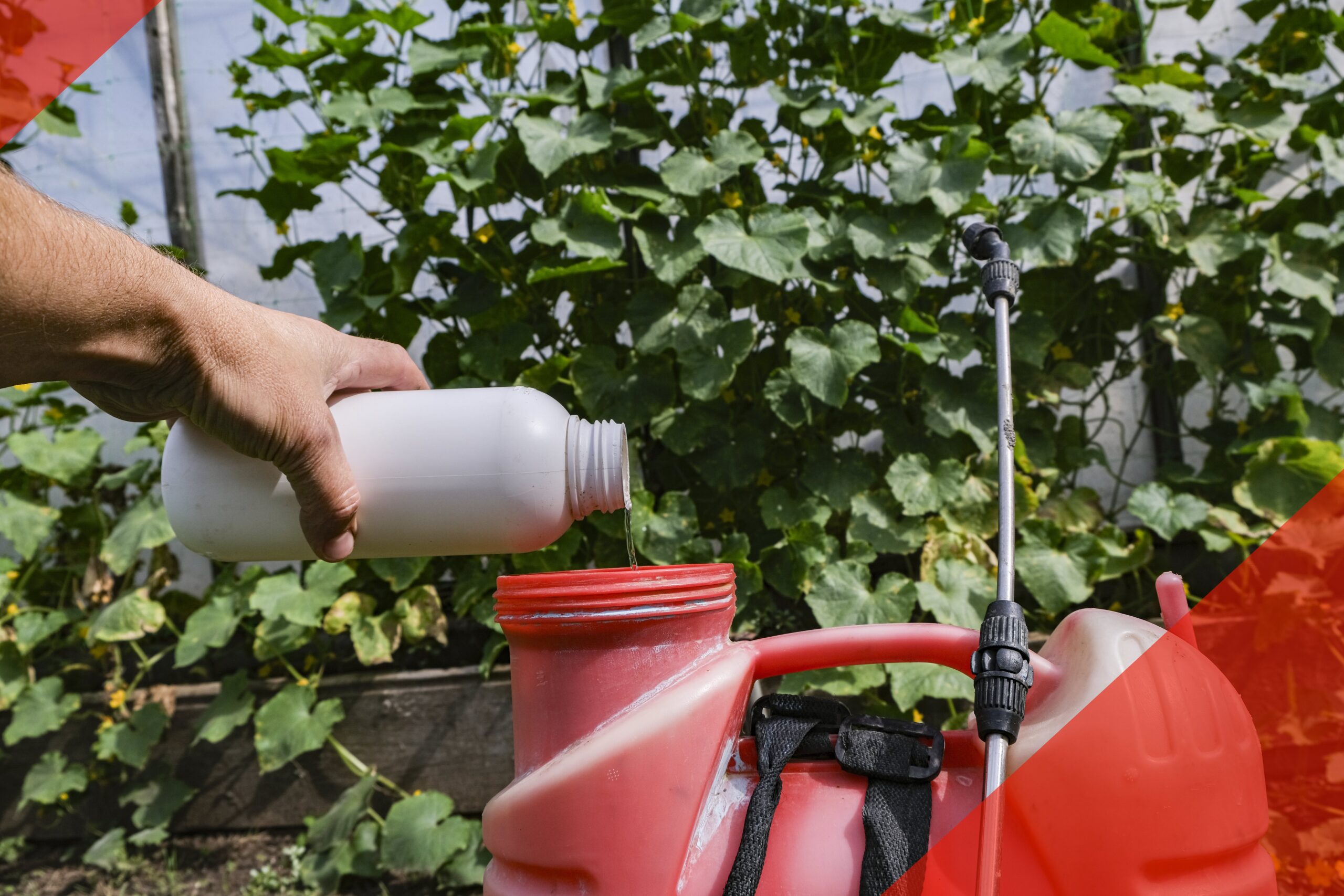
What Chemicals Do Pest Control Companies Use in Coolidge Homes?
If you’ve never hired a professional pest control company before, this is probably the first question on your mind, and it’s a smart one to ask before choosing advanced pest control services for your Coolidge home. You want to know exactly what’s being used inside and around your house, especially with young kids, pets, or a family member who reacts to strong chemicals. The honest answer is that products differ quite a bit depending on the pest you’re dealing with, where the treatment happens on your property, and how the company handles the job. That difference in approach matters more than most homeowners expect.
For more than 13 years, we’ve handled pest issues throughout Pinal County, and we’ve learned that the method behind a treatment often counts more than the treatment itself. Below, we’ll walk through the main product categories used in residential pest control, how each one gets applied, and why starting with exclusion rather than heavy chemical use changes how much product your home actually needs over the long run.
The Main Categories of Pest Control Products
The pest control industry uses several broad classes of products, each designed for different pest types and application scenarios. Understanding what these are gives you a more informed conversation with any pest professional, whether that’s us or someone else.
Pyrethroids are synthetic compounds with a natural origin in chrysanthemum flowers. They’re widely used in perimeter treatments for insects, including bark scorpions, cockroaches, and ants, and work by disrupting the nervous system of insects on contact or through residual exposure. Residual sprays in this category are applied to surfaces where pests travel and can remain effective for weeks to months depending on the conditions and the specific product. Insect Growth Regulators, or IGRs, work differently.
Rather than killing insects on contact, they interfere with their ability to mature and reproduce. These are particularly useful for cockroach and flea control because they break the breeding cycle rather than just reducing the current visible population. They’re low-toxicity to mammals, which makes them a good fit for situations where minimizing exposure is a priority without sacrificing effectiveness.
How We Choose Products Based on the Pest and Property
No two pest situations are identical, and applying the same product to every job produces mediocre results at best. Our approach starts with identifying exactly what pest we’re dealing with, where the activity is concentrated, and what the specific conditions of the property are before any product is selected.
A bark scorpion treatment looks different from a bee and wasp removal, which looks different from a rodent control job. Bee and wasp removal involves locating the colony, removing it, and treating the void to prevent a new colony from moving in. That’s a job where physical removal does most of the work, not chemical application.
Scorpion exclusion relies heavily on sealing entry points combined with perimeter treatment, not on repeated broadcast spraying. Matching the tool to the pest and the situation is how you get results that last.
Baiting Systems and Rodent-Specific Products
Baiting systems deserve their own explanation because they work fundamentally differently from surface sprays. For ant and cockroach control, we place small bait stations where pest activity is concentrated rather than broadcasting a residual product throughout the home. Forager insects carry the bait back to the colony, which addresses the population at its source rather than just killing the individuals you can see.
For rodent control, bait stations are tamper-resistant enclosures placed along the exterior of the property to intercept roof rats (Rattus rattus) and house mice before they reach the interior. The tamper-resistant design keeps children and non-target animals from accessing the interior of the station. This type of exterior baiting is part of a broader rodent management plan that always includes inspection and sealing of entry points, because bait alone doesn’t stop more rodents from coming in through the same gaps the current ones used.
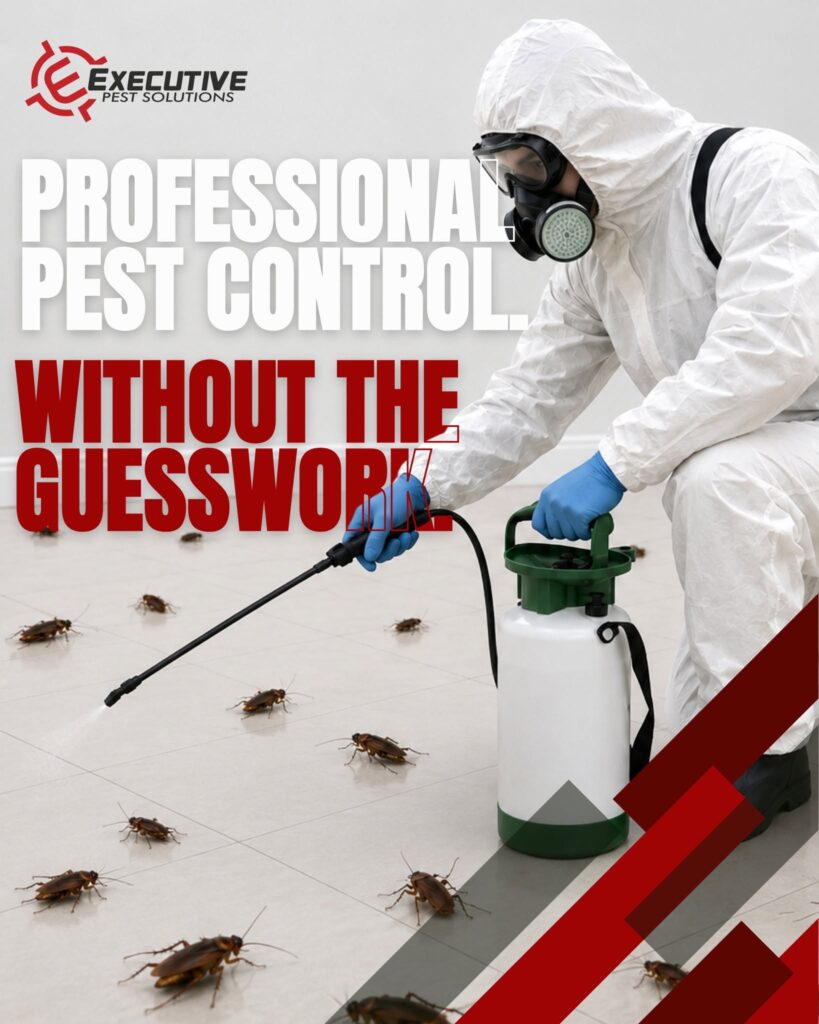
Treatment Safety for Arizona Families
Pest control products applied by our team go on in a controlled, site-specific way that’s different from the broadcast indoor spraying people sometimes picture. Before work begins on any Coolidge home, we walk you through our safe and eco-friendly pesticide use practices, including exactly what we’re using, where it’s being applied, and what your household should do before and after service.
Perimeter treatments are typically applied outside along the foundation and around entry points, not throughout your living spaces. Targeted indoor treatments go where pest activity is confirmed, which means behind appliances, along baseboards, and inside wall voids, not across floors or countertops your family uses every day.
Pets are generally kept away from treated areas until products have dried, and we give specific guidance based on what was applied. Families with young children can expect direct, clear communication about anything that affects indoor spaces before we start work.
Why Exclusion Reduces How Much Chemical Is Needed
This is the part most people don’t hear about until they’ve already been on a recurring spray plan for a year or two. Chemical treatments are temporary barriers. They reduce pest populations and create perimeter deterrents, but if the structural entry points that let pests in remain open, you’re managing ongoing pressure rather than solving the underlying problem.
When our team seals those entry points, including the gaps around conduit pipes, the weep holes in brick, the soffit voids, and the foundation cracks, the pest pressure drops because fewer pests are physically able to get in. Fewer pests getting in means fewer treatments needed over time.
Our general pest control services combine targeted product application with physical exclusion because that pairing produces results that hold up, not just results that need repeating every two months.
What to Expect Before and After a Treatment in Your Home
Before any treatment begins, our technicians walk through the findings with you. You’ll know what was found, what we’re addressing, what products will be used and where, and what you can expect in the days that follow. This conversation happens before work starts, not after.
After a perimeter treatment for scorpions or general insects, it’s normal to see increased pest activity for a few days as surviving individuals are disturbed and move around. That’s the expected short-term response, not a sign that the treatment didn’t work. If pest activity continues beyond what’s normal, or if a specific problem persists, we come back.
Our pest-free guarantee backs all services, and we stand behind that across Coolidge, Casa Grande, Queen Creek, Florence, and communities throughout Pinal County.
Related Topics: