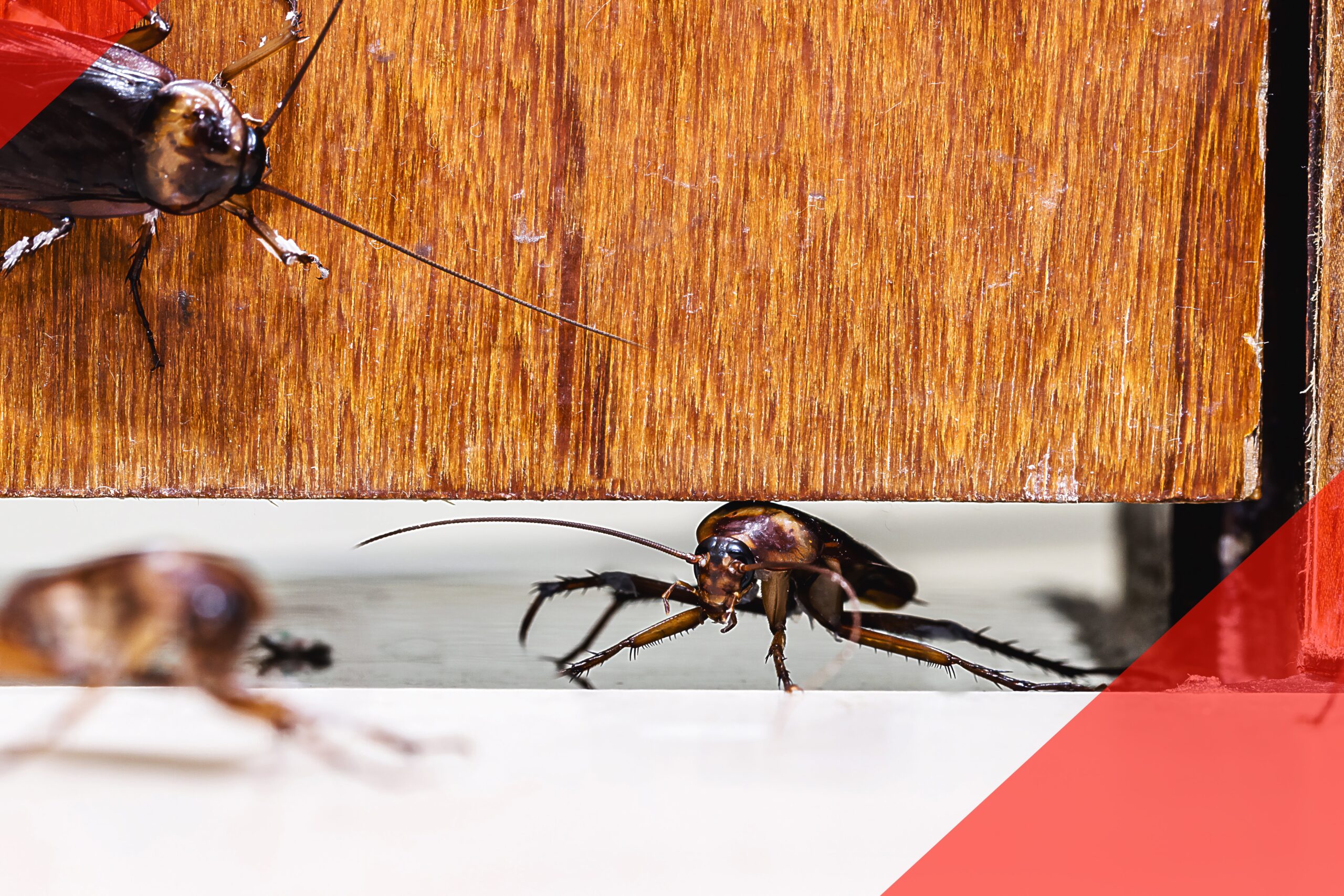
What Happens If You Skip Pest Control for a Year in Coolidge?
It’s easy to see how this happens. Life gets hectic, money gets tight, and pest control quietly falls off the priority list because nothing has gone wrong yet. Skipping a year can feel like a fair enough trade-off, and in a lot of places, it actually is. A harsh winter wipes out much of the pest activity on its own, then a bit of spring cleanup takes care of whatever’s left. Coolidge, though, plays by different rules.
There’s no true off-season for pests here in Pinal County. Bark scorpions tucked into the desert landscaping around your home stay active all year and never hibernate. Roof rats keep breeding no matter the season, thanks to Arizona’s warm climate. Pigeons and other nesting birds stick around too, with no reason to move on once they’ve settled in.
So when a home goes a full year without inspection or professional pest control services, the pest count isn’t the only thing that grows. The property itself starts to change, wear patterns, gaps, and hidden entry points can set in, and those are far harder to fix once they’ve taken hold.
Arizona Pests Don’t Take a Year Off
The heat of a Coolidge summer is genuinely extreme, but bark scorpions (Centruroides sculpturatus) move inside during the hottest months, not away from your home. Monsoon season, roughly June through September, is when pest pressure spikes the most. Rains flush scorpions from their outdoor harborage, push rodents toward shelter, and create the conditions that attract insects and Africanized bee swarms to establish new colonies nearby.
By skipping a full year, you miss the single most active pest season in Arizona twice over. Once entering into it without any perimeter barrier, and once coming out of it without knowing what established itself during those months. Properties without recent exclusion work or perimeter treatment consistently show higher entry point use and more active harborage by the time we inspect them after a service gap.
Our scorpion exclusion work starts with identifying and sealing those vulnerabilities precisely because physical exclusion is the only approach that doesn’t wear off between service visits.
Scorpions Establish Harborage Inside Walls and Flooring Quickly
A single bark scorpion sighting inside your home isn’t always a sign of a major problem. A lone scorpion can travel a long distance from its usual harborage on its own. But a year without treatment or inspection means the conditions that made that entry possible are still there, and every unsealed gap that was open at the start of that year is still open at the end of it.
Over twelve months, those entry points don’t just stay the same. Caulking cracks, ground cover and debris accumulate near the foundation, and minor gaps become larger as structures settle with seasonal temperature changes. The scorpion activity that was manageable at the beginning of that year is often significantly worse by the end. Not because the local population exploded, but because the property itself became progressively more accessible.
Roof Rats Find Every Gap and Don’t Leave on Their Own
Roof rats are excellent climbers and enter homes through rooflines, utility penetrations, and soffit voids. A pair can produce multiple litters in a year, and a year without trapping or exclusion work gives them more than enough time to establish nesting inside your walls, attic, or crawl space.
The damage that accumulates over twelve months is real and often hidden. Roof rats chew through wiring, which creates fire hazards that aren’t visible until they cause a problem.
They shred insulation for nesting material, reducing its effectiveness and leaving contaminated spaces that are expensive to remediate.
They leave urine trails that attract other rodents to the same paths and entry points. By the time a homeowner hears scratching in the walls or finds droppings in the attic, the population has usually been present for months.
Our rodent control team regularly finds active nesting in multiple locations when working on a property after a service gap.

Pigeon Colonies Become Permanent the Longer They Stay
Pigeons are habit-forming nesters. Once a colony establishes on a rooftop or under solar panels, they defend that location and return to it persistently. A single breeding pair can grow into a substantial colony within a year. The droppings they leave behind are acidic enough to degrade roofing materials, solar panels, and painted surfaces, and the accumulation from an unaddressed colony over twelve months creates both a structural problem and a health concern from the fungal pathogens in dried droppings.
Solar panel owners face a compounding issue specifically. Pigeons nesting under panels damage wiring, reduce panel efficiency through droppings that block sunlight, and can cause panel failures if left unaddressed long enough. Removing an established pigeon colony takes significantly more time and material than addressing a new nesting pair early.
Our pigeon control work on established colonies bears that out consistently. Catching the problem at the start of nesting activity versus after a year of undisturbed growth is a very different scope of job.
The Property Damage That Builds Quietly in the Background
The most underestimated cost of skipping pest control isn’t the emergency call you eventually make. It’s the damage that accumulates without anyone noticing. Rodent-chewed wiring doesn’t announce itself until it causes a failure. Structural degradation from pigeon droppings isn’t visible until it’s already substantial. Scorpion harborage in wall voids doesn’t look any different from the outside.
A year without inspection means a year without early detection. Our general pest control inspections are as much about finding what’s developing as they are about treating what’s already active. That early-detection step is often what saves homeowners the most money over time. Small problems found early are inexpensive to fix. The same problems found after a year of uninterrupted growth are a different story.
One Pest Problem Often Creates Others
Rodents attract snakes. Western diamondback rattlesnakes and other desert species follow prey populations, and a property with active roof rat activity near the foundation is more likely to have snake encounters in the yard and garage. Bees and wasps establish colonies in undisturbed spaces.
Eaves, wall voids, and utility enclosures that went unchecked during a skipped service year become prime nesting sites. Africanized bee colonies in Arizona are particularly aggressive when disturbed, and a colony that has been building for twelve months is substantially harder and more dangerous to remove than one caught early.
The cascade effect is well-documented in pest management. Addressing one pest problem promptly often prevents secondary ones from developing. Skipping a year doesn’t just allow one pest population to grow. It creates overlapping conditions for multiple problems that need to be addressed at the same time.
Getting Back on Track After a Gap in Service
If you’ve gone a year or more without professional pest service in Coolidge, the right first step is a full property inspection rather than jumping straight to treatment. You need to know what’s actually on the property and what the current structural vulnerabilities are before deciding what to address.
Our team at Executive Pest Solutions serves Coolidge and communities throughout Pinal County with free inspections and honest assessments. No pressure to commit before you understand what the work involves.
Related Topics: