Safe and Eco-Friendly Pesticide Use for Coolidge Homeowners
Most families who reach out to reputable pest control in Coolidge, AZ start the conversation the same way, asking whether treatments are safe for their kids or their pets. Those are fair questions, and highly rated exterminators hear them often. What most homeowners never think to ask, though, is whether the level of chemical application being recommended actually matches the problem they have. More often than not, it doesn’t.
Getting ahead of pests in Coolidge rarely calls for broad, recurring chemical treatments. For most species causing problems in Pinal County, the real answer is structural. That means sealing entry points, removing harborage areas, and changing the conditions that draw pests to the property in the first place. Chemical treatment does have a place in that process, but it plays a supporting role rather than carrying the whole solution. Here’s how we actually approach it.
The Exclusion-First Approach Is the Greenest One
Physical exclusion, which means finding and sealing the specific entry points that pests are using, is the most environmentally responsible pest control intervention available. It requires no product. It doesn’t affect pollinators, non-target species, or soil and water. And it produces results that last without needing to be repeated every 30 to 60 days.
When we seal the weep holes, foundation cracks, and gaps around utility penetrations where bark scorpions are entering a home, we eliminate a recurring pesticide need entirely. The scorpions that would have required repeated perimeter treatment simply cannot get in. The same is true for roof rats: a sealed roofline void stops new rodents from entering without any bait or trap needed. For families most concerned about chemical exposure, this is where the most meaningful protection comes from, and it’s where we start.
How We Choose What to Apply and Where
When targeted chemical or mechanical treatment is appropriate, the selection of what to use and where to apply it is specific, not general. We’re looking at the pest, the location, the household composition, and the adjacent environment. A property with pollinator-attractive plants near the foundation gets different consideration than one with desert rock mulch. A household with young children who play in the yard gets different guidance on timing and re-entry than one without.
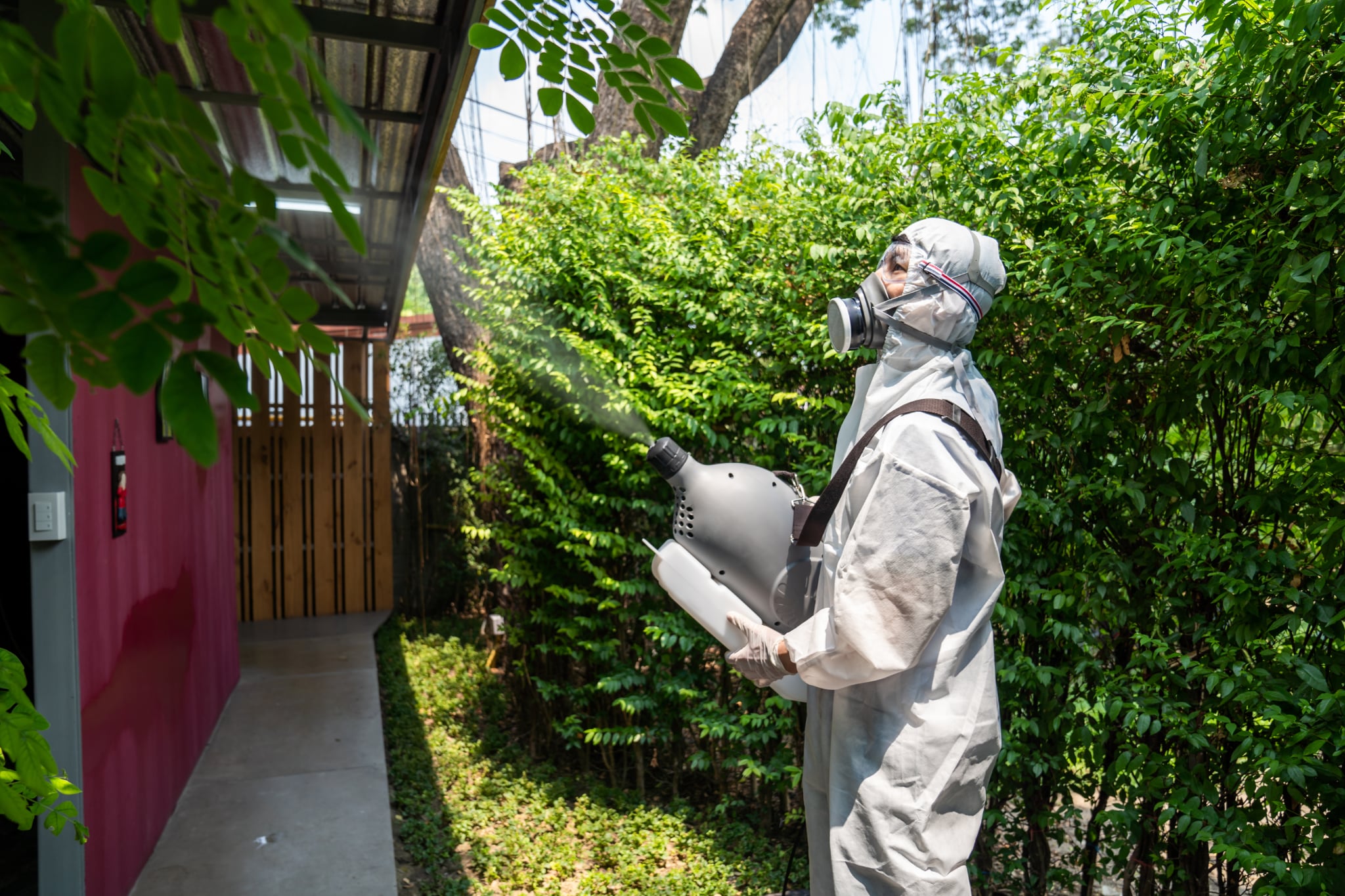
The practical result is that treatments go in areas where they’ll contact the target pest and where unintended exposure is minimized. Foundation perimeter applications go along the base of the wall, not broadcast across the yard. Interior void treatments are applied to enclosed spaces, not to open surfaces. This is standard Integrated Pest Management practice. What varies is whether a company actually applies it or just applies product on a schedule regardless of conditions. Our general pest control service is built around the former.
Products That Work Without Overexposing Your Property
For scorpion perimeter control, targeted application along harborage areas, where scorpions actually shelter during the day, is more effective and requires less product than broadcast yard spraying. For rodent control, bait stations placed in tamper-resistant enclosures at specific locations, combined with entry point sealing, are more protective for non-target species than open-area approaches.
For gopher activity, direct tunnel application is both more effective and more targeted than surface treatments. For bee and wasp removal, the goal is removal of the colony and its attractants, not broad area treatment that affects beneficial insects. In each case, the most specific effective solution produces the best outcome for both the pest problem and the surrounding environment.
Handling Bees Without Harming Pollinators
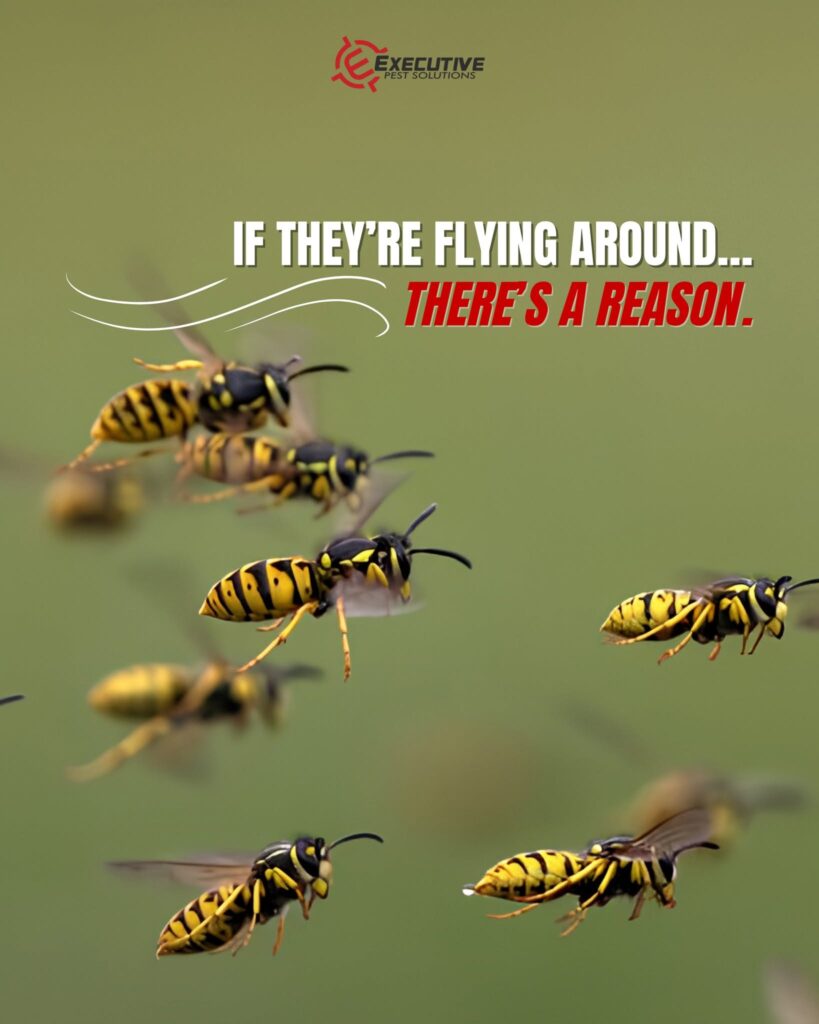
Arizona’s native bee population is diverse and ecologically valuable. Several native species, including solitary bee species and native bumble bees, are not aggressive, don’t build large colonies, and provide genuine value to native plants and garden ecosystems. We do not recommend removal of these populations when they’re in locations that don’t present a safety risk.
Africanized honey bee colonies are a different assessment. They’re now the dominant feral bee in Pinal County, they do present a genuine safety risk when established near people and pets, and removal is appropriate when they’ve settled into structures or occupied outdoor areas. Our scorpion exclusion and bee work are structured to target the specific safety hazard rather than treating the broader pollinator population as the problem.
What Your Household Should Know Before, During, and After a Visit
We tell you what we’re applying before we apply it. What product, where it’s going, how long to keep treated areas off-limits if applicable. For exterior perimeter applications, the guidance is to allow the treated surface to dry before pets and children contact it, which in Coolidge’s heat typically happens within minutes on a warm day. For interior void or attic treatment, we cover what the household should know about ventilation and re-entry.
We don’t hand you a generic product label and call it guidance. The specific information for your specific property and household is what you get before the technician leaves. That’s a simple expectation to have of any pest control company, and it’s one we take seriously.
The Math on Fewer Treatments Over Time
For Coolidge homeowners thinking about environmental impact across years rather than a single service visit, the calculation is straightforward. A home with sealed entry points needs fewer recurring chemical applications than one without. A yard with managed harborage conditions attracts fewer pests and therefore requires less intervention to maintain. A property that doesn’t provide ideal nesting sites for bees, such as wall voids, utility box gaps, and irrigation equipment voids, experiences fewer colony establishment events.
The total chemical footprint of an exclusion-first property over five years is meaningfully smaller than the footprint of a spray-dependent property over the same period. Our snake exclusion and rodent control services both include the habitat assessment and modification recommendations that contribute to this long-term reduction. That’s built into what we do, not offered separately.
Related Topics: