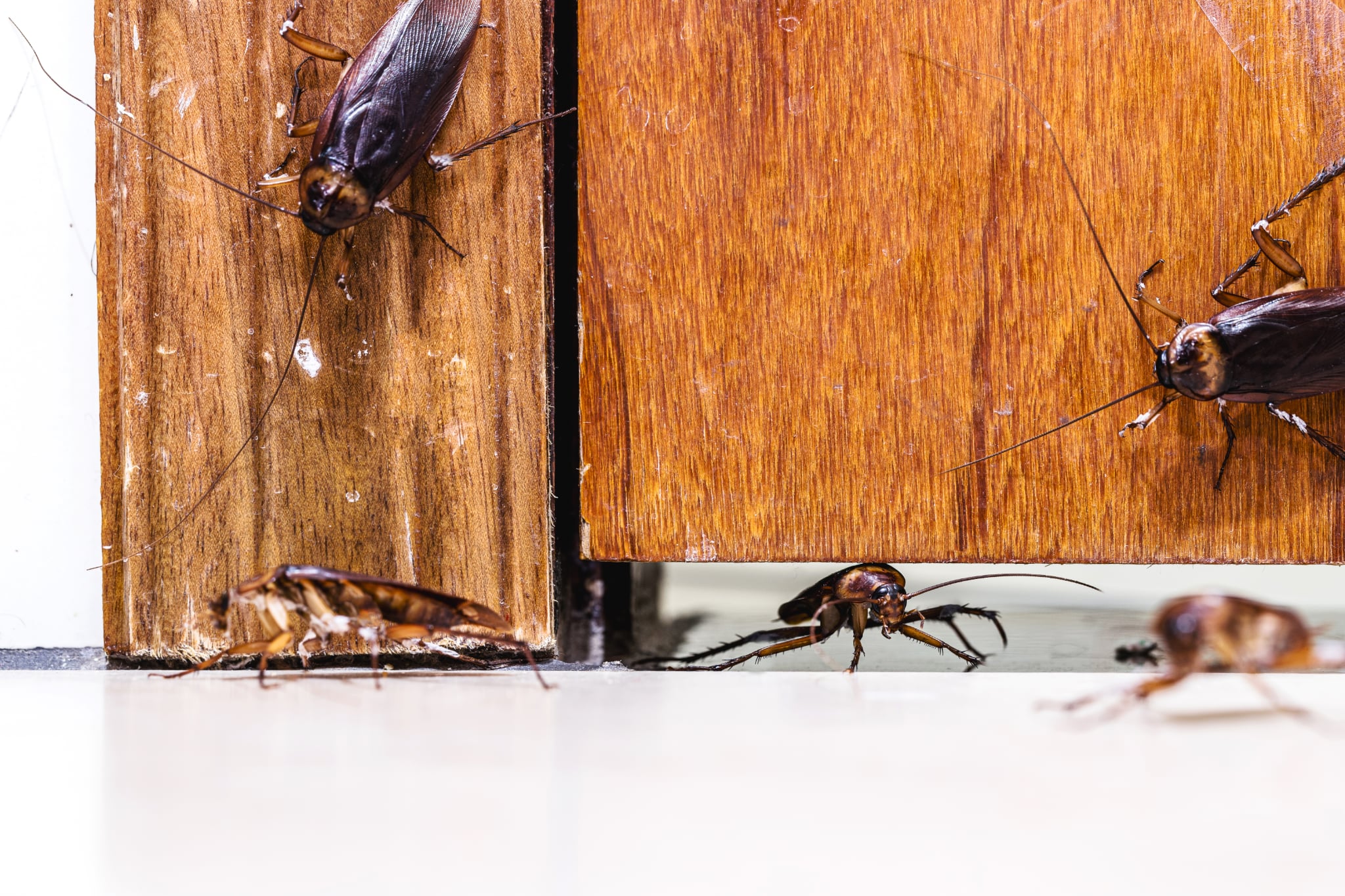
Health Risks Associated with Pest Infestations in Coolidge Homes
Most homeowners in Coolidge call about pest problems they can actually see. That’s where indoor pest control conversations tend to start: a scorpion in the bathroom, scratching sounds from the attic, pigeon droppings on the solar panels. The health angle rarely comes up until something escalates, or until someone reads up afterward and realizes the exposure they had been living with. Knowing that makes working with an experienced pest control team far more pressing than it might initially seem.
In Pinal County, several pest species that commonly settle into and around residential properties carry real health risks. These aren’t far-fetched scenarios. They’re outcomes that happen at a meaningful rate, and they get worse the longer an infestation goes unaddressed. Understanding what you’re actually dealing with changes how urgently pest activity gets handled, and for most families in Coolidge, it should.
The Health Risk Most Homeowners Underestimate
The most consistent misconception we encounter is that pest control is primarily a comfort issue. Scorpions are unpleasant, but how dangerous are they really? Rats in the attic are gross, but is there actual health risk? Pigeon droppings on the solar panels look bad, but do they matter beyond the aesthetics?
The honest answer across all three: yes, they carry real health risk, and that risk scales with the duration and size of the infestation. A small, recently established rodent presence carries different health implications than a colony that’s been in the attic for six months. A single bark scorpion encounter carries different risk than a home where open entry points allow regular interior access. The health stakes are real and they’re progressive, which is why timing matters more than most homeowners realize when they first notice a problem.
What a Bark Scorpion Sting Actually Does
Bark scorpions (Centruroides sculpturatus) are the only scorpion species in the United States considered medically significant. A sting in a healthy adult typically causes severe localized pain at the sting site, numbness, tingling, and sensitivity to touch or temperature that can last several hours. In some adults, those localized effects are accompanied by muscle twitching, sweating, or difficulty breathing.
In young children, elderly adults, and individuals with respiratory or immune vulnerabilities, bark scorpion envenomation can produce neurological effects that require emergency medical attention. Children are at higher risk both because of body mass and because they’re less likely to recognize the hazard before contact. For a family with young children, a home where bark scorpions are regularly getting inside isn’t just uncomfortable. It’s a recurring medical risk with every sighting. Our scorpion exclusion work addresses this by physically sealing the points of entry rather than relying solely on repeated chemical treatment.
Roof Rat Contamination in Hidden Spaces
Roof rats (Rattus rattus) cause real structural damage, and that’s the part most homeowners know about. The health dimension gets less attention. Rodent droppings and urine contaminate every surface and material they contact, and in an enclosed attic or wall void, that contamination accumulates over time without the homeowner being aware of it. Disturbing that material during cleaning, renovation, or HVAC work can release particles that carry disease exposure risk.
Salmonella contamination from rodent contact with food storage and preparation surfaces is a more immediate concern in most households. Rodents that move from the attic into kitchen cabinets, pantries, or behind appliances leave contamination on surfaces and packaging. What makes this particularly difficult is that most of the exposure happens before the infestation is large enough to notice. By the time the sounds in the ceiling are obvious enough to prompt a call, the contamination has typically been building for weeks or months. Our rodent control approach seals entry points and addresses the existing population, which stops the ongoing buildup.
Pigeons and What Their Droppings Leave Behind
Pigeon droppings in large quantities contain Histoplasma capsulatum, a fungal organism that, when disturbed in dried and powdered form, can cause histoplasmosis in people who inhale the spores. This isn’t an exotic edge case. It’s documented in people who work near bird roost sites or who disturb accumulated droppings during cleaning or construction.
For homeowners with rooftop solar, this matters specifically during maintenance, cleaning, and repair work, which often involves working directly above or around pigeon droppings that have accumulated over seasons. The cleanup process itself, not just the presence of the droppings, creates the primary exposure risk. Our pigeon control services include proper cleanup and the installation of exclusion barriers to prevent re-establishment, because removing a colony without addressing access just resets the clock.
Africanized Bees and Swarm Risk
Arizona’s feral bee population is now largely Africanized, which means the colonies established in walls, trees, utility boxes, and structures throughout Coolidge carry a defense response that can be triggered by vibration, noise, shadow movement, or perceived threat at distances that routinely surprise people who are used to European honey bees.
The medical risk from Africanized bee encounters is not limited to allergic individuals. Multiple stings from a large swarm can cause serious medical emergency in a non-allergic person through venom volume alone. Children and pets are at higher risk both because of their size and because they may not recognize a threatened colony or know to move away from it. Any established bee colony near an outdoor living area, playground, pool, or garage should be treated as an urgent situation, not a wait-and-see one. Our bee and wasp removal team handles Africanized colony removal with full safety protocols.
Why Timing Matters More Than You Think
Every health risk described here has something in common. It gets worse with time. Rodent contamination accumulates. Pigeon droppings build up. Bark scorpion populations that have found a way inside continue entering unless the entry points are closed. Bee colonies that establish in wall voids grow through the season, and a larger colony is a larger risk.
The homeowners who end up with the most significant health and structural damage from pest infestations are rarely the ones who ignored a problem from the start. More often, they tried something that didn’t work, decided to wait and see, or didn’t realize there was a health dimension to what they were looking at. If you’re seeing signs of pest activity in or around the home, a general pest control inspection is the first step toward understanding what you’re actually dealing with before the problem has more time to develop.
Related Topics: