How Extreme Heat Changes Pest Behavior in Coolidge
Newcomers to Coolidge from out of state often assume extreme summer heat must slow pest activity to a crawl. That logic makes sense on paper. The reality in Pinal County, though, tells a different story. Professionals in rodent pest control and efficient rodent removal know this well: heat doesn’t reduce pest pressure here. It redirects it. Species that were active on the surface in spring shift underground, into structures, or toward shaded and irrigated spots. Some grow more active after dark, while others resurface once the monsoon rains follow the heat peak.
The takeaway is that summer in Coolidge requires knowing how each species behaves differently from the rest of the year. The same pest that was manageable in March is doing something entirely different come August. Here’s what that looks like for the species our team works with most often.

The Short Version: Heat Moves Pests Inward
Almost every pest species that causes problems in Coolidge homes during summer is there because the heat made the interior or the foundation zone more attractive than the exterior. Bark scorpions seek cooler surfaces. Roof rats seek the temperature differential between a superheated attic and a wall void adjacent to an air-conditioned room. Bees and wasps seek water. Rattlesnakes seek shade and cooler ground in garages, under pool equipment covers, and beneath patio furniture.
The structural entry points that allow pests to reach those interior destinations were present before summer arrived. The heat just increases the motivation to use them. That’s why exclusion work done before summer produces better outcomes than exclusion work done reactively in July when the problem is already visible.
What Monsoon Season Does to Bark Scorpion Behavior
Bark scorpions (Centruroides sculpturatus) are well-suited to desert heat. They’re nocturnal, well-insulated, and capable of going extended periods without water. What disrupts their outdoor harborage isn’t the temperature. It’s the rapid soil saturation that comes with monsoon rains in July and August.
When the ground saturates quickly, scorpions sheltering in soil, under rocks, in decomposed wood, and in ground cover debris get flooded out of their resting spots. They move upward, toward structures, and through any available opening. This is the mechanism behind the late summer spike in scorpion sightings inside Coolidge homes that homeowners in this area recognize but don’t always fully understand.
The surge is predictable, which means it’s preventable. Our scorpion exclusion work seals the specific entry points scorpions use before monsoon season begins. Weep holes, foundation cracks, and gaps around utility penetrations, once sealed properly in spring, stop the monsoon displacement surge from reaching the interior.
Why Roof Rats Get Closer to Your Living Space in Summer
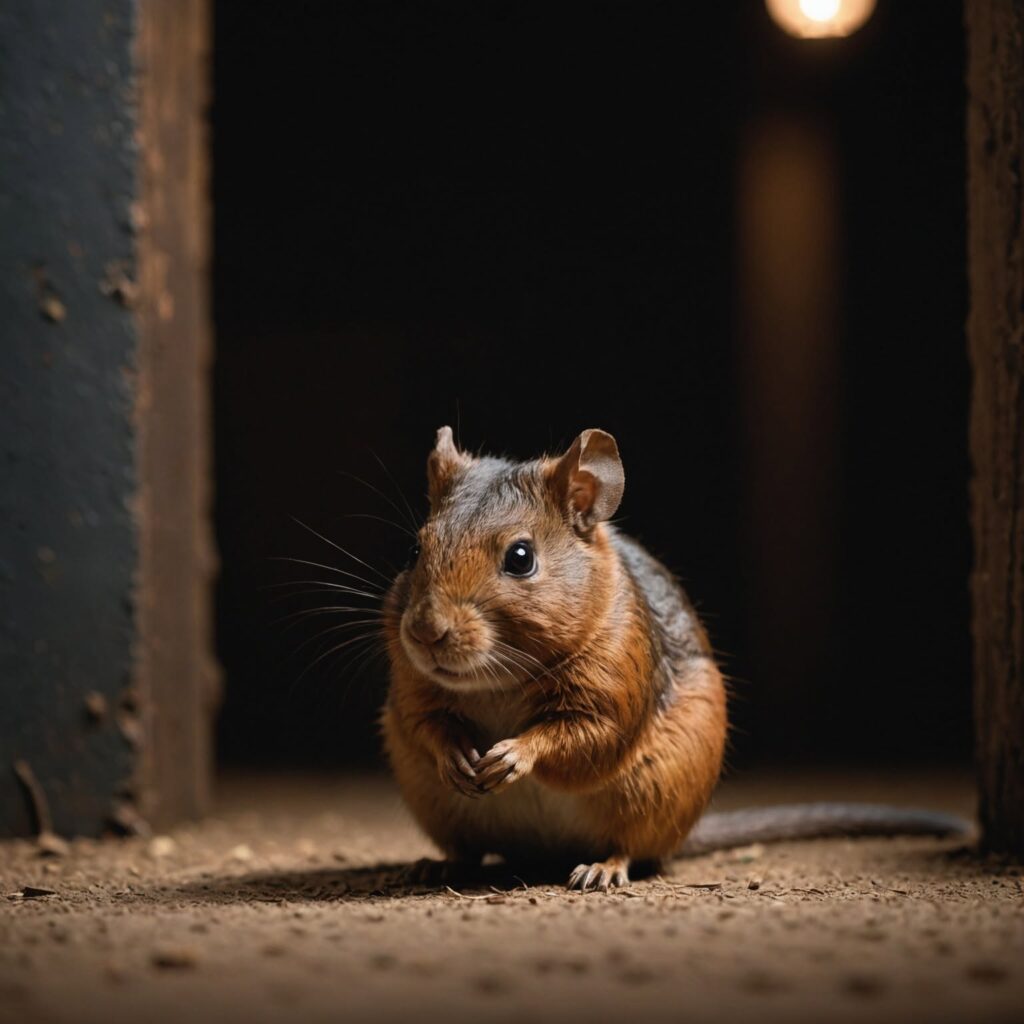
Roof rats (Rattus rattus) are present in Coolidge properties year-round. What changes in summer is which part of the structure they prefer. Attic spaces can exceed 150 degrees on the hottest Arizona afternoons, and while roof rats are heat-tolerant, there’s a ceiling to that. Wall voids adjacent to air-conditioned interior spaces offer a meaningfully cooler environment during the day.
This shift toward interior wall voids is why rodent sounds in the walls become more noticeable in summer even when rats were already present on the property. They’re not newly arrived. They’re newly closer. That rolling, scraping sound overhead or in the wall at night is often the first time a homeowner realizes the property has had a rodent presence for weeks or months. Our rodent control work seals the entry points and addresses the animals already inside.
The Peak of Bee and Wasp Season in Pinal County
Africanized honey bee colonies in Arizona reach their annual population peak in late spring through early summer. A larger colony means more foragers, more defensiveness around the nest, and more swarm events as the colony splits and new queens establish elsewhere. Combined with heat stress that makes established colonies more reactive to perceived threats, summer is the window of highest bee-related risk in Pinal County.
Wasps add their own summer dynamic. During peak heat, foraging wasps actively seek water, and residential water sources, including dripping faucets, irrigation heads, pool surfaces, and pet water bowls, become focal points. Properties with lush irrigated landscaping surrounded by dry desert can see concentrated wasp activity in summer months. Our bee and wasp removal work in summer addresses the active colony and identifies the site conditions that make the property attractive for re-establishment.
Rattlesnake Activity After Dark in Coolidge Yards
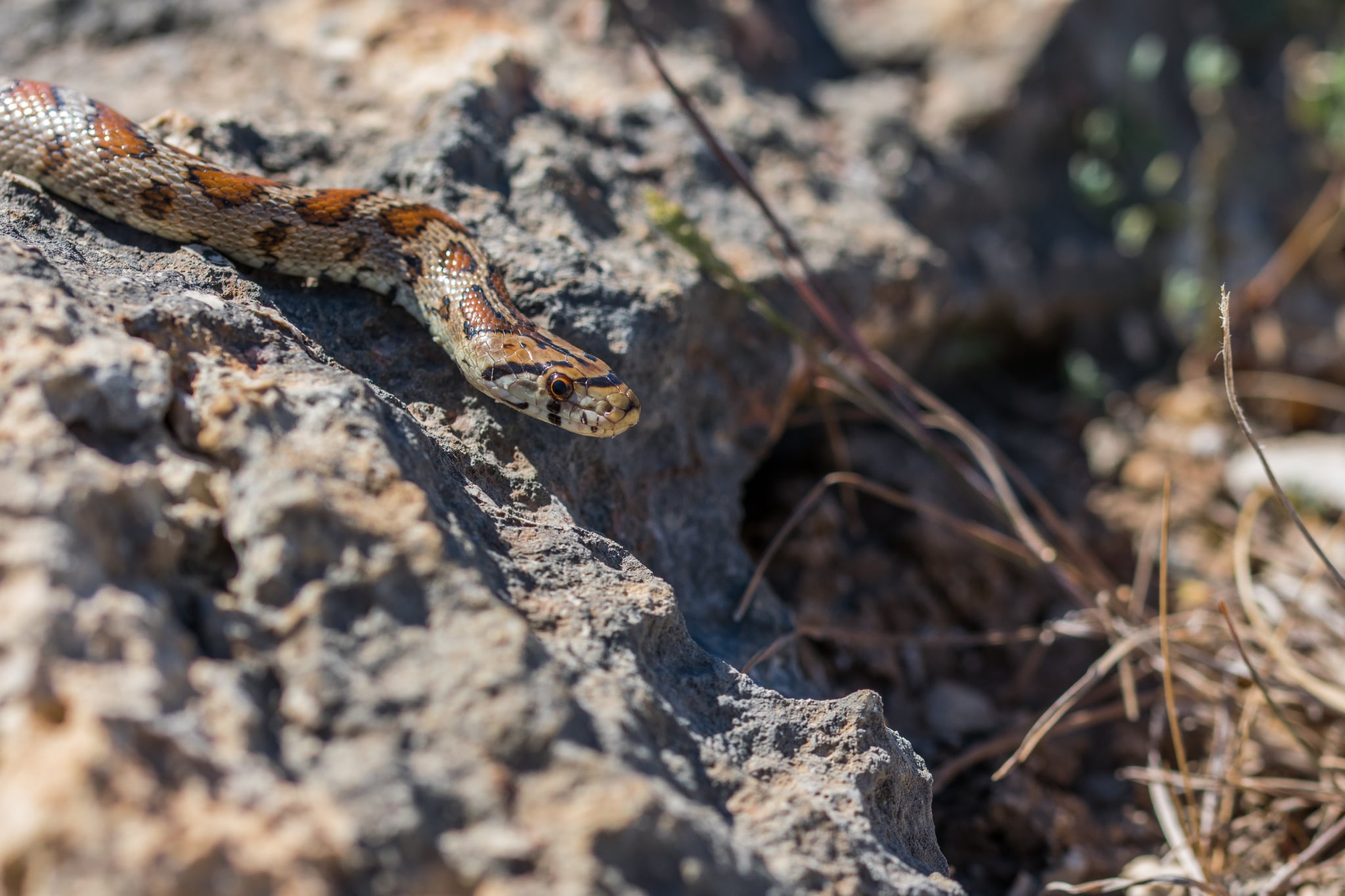
Western diamondback rattlesnakes don’t disappear in summer. They adjust their active hours. Midday movement becomes rare because ground surface temperatures during Arizona summer afternoons can reach levels well above the snake’s thermal comfort range. Instead, they become primarily active at dawn, dusk, and overnight, when surface temperatures have dropped to a workable range.
The result is encounters at hours when people and pets are also outside: early morning dog walks, late evening time on the patio, checking the yard after dark. Garages, covered patios, and water features are common encounter sites because they offer shade and potentially prey or cooler temperatures. Our snake exclusion work installs physical barriers and seals the gaps that allow snakes access to garages, patio enclosures, and the immediate perimeter of living areas.
Gophers Stay Active in Irrigated Yards
Pocket gophers don’t respond to surface temperatures the way above-ground species do because they live underground. What summer does is make irrigated properties, with consistent soil moisture and accessible root systems, the most attractive habitat available in an otherwise dry environment.
Properties with desert landscaping and active drip irrigation see more gopher pressure in summer because those yards stand out from the surrounding area. The damage compounds fast. Irrigation lines get chewed through, roots get severed, and mound systems expand across the yard throughout the season. Addressing gopher activity early in summer, before the colony has peak-condition soil to work with for weeks on end, limits the scope of the problem considerably.
Protecting Your Property During Peak Heat
The pattern across all of these species is the same. The heat doesn’t create the problem. It reveals which entry points and exterior conditions were already present that make the interior of the home more accessible and attractive than the outside. What changes in summer is the frequency and urgency with which pests use those access routes.
Our general pest control service starts every job with the inspection that identifies what those access points are, before any treatment happens. Thirteen years of working Pinal County summers means we know what to look for in a Coolidge home before July makes those vulnerabilities obvious.
Related Topics: