.png)
Pest Control for Coolidge Rentals: How Landlords Can Protect Their Properties
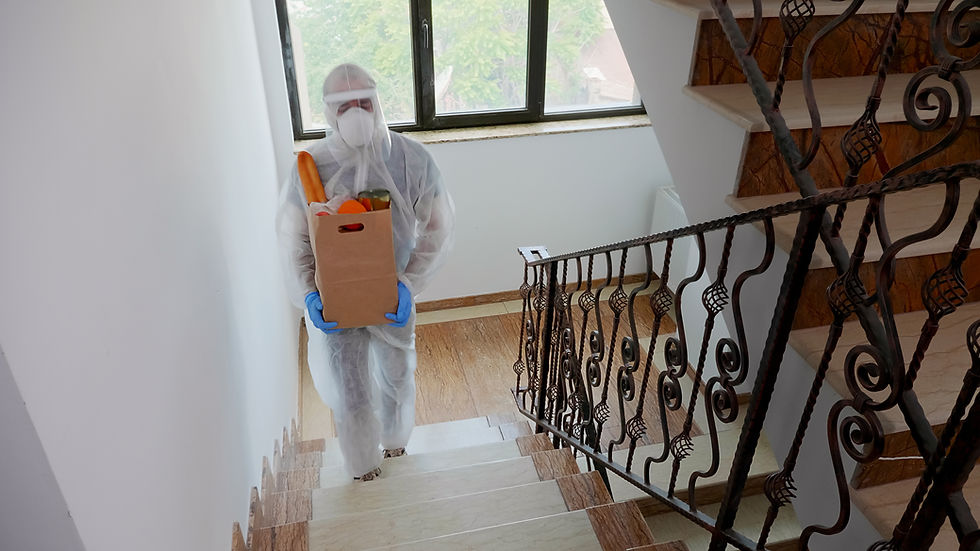
A pest infestation in a rental property is not just a tenant complaint. It is a health concern, a liability concern, and potentially a habitability issue under Arizona law. Landlords in Coolidge and surrounding Pinal County communities face real consequences when pest problems go unaddressed or are handled reactively.
Commercial pest control services in Coolidge, AZ that use an exclusion-first approach protect rental properties more effectively than recurring spray treatments that reset every quarter and leave the same entry points open. Here is what landlords need to know about protecting their properties long-term.
Why Rental Properties Are More Vulnerable to Pest Problems
Rental properties have specific characteristics that make pest problems more likely and harder to catch early. Tenant turnover means physical inspections do not occur on a consistent schedule, and vacant properties between tenants give pests an uninterrupted window to establish themselves.
Tenants do not always report early signs promptly, particularly when they are unsure whether it is their responsibility to do so. In Arizona's desert climate, pests do not wait for ideal conditions. Bark scorpions are active year-round, roof rats move through Pinal County neighborhoods in all seasons, and pigeon colonies establish quickly once a roost site is identified. A rental property that goes several months without a physical walkthrough can develop a meaningful pest problem before a formal report is ever filed.
What Arizona Landlord Law Establishes About Pest Control
Arizona law generally places the responsibility for maintaining habitable conditions on the landlord, including pest control in most circumstances. If a rental property has an infestation that affects habitability, remediation falls to the property owner.
The practical result is that a landlord who waits for a tenant complaint before acting is already behind. Proactive exclusion work is both a better approach for the property and a cleaner legal posture. If pests cannot establish themselves in the first place, there is nothing to dispute. This is where the difference between spray treatment and exclusion matters most for rental operators: a spray treatment addresses pests present at the time of service, while exclusion seals entry points so the next tenant moves into a property that is structurally harder for pests to access.
The Most Common Pest Problems in Coolidge Rental Properties
The pest issues that most consistently affect rental properties in Pinal County are rodents, scorpions, and birds. Rodents access properties between tenants when activity is low, and roof rats in particular exploit roofline gaps and attic access points that may not have been addressed since the property was built. A vacancy is an open invitation if entry points exist and no one is home to notice the activity.
Bark scorpions are a safety concern for any property with children or pets. A tenant who finds scorpions in the living area has a legitimate habitability concern, and it does not resolve with a one-time spray. Pigeon nesting on rooftops and under solar panels creates structural and sanitation problems that compound over time, and for properties with solar installations, pigeon damage affects panel performance and generates cleanup costs that typically fall back on the property owner.
Why Recurring Spray Contracts Don't Protect Landlords
A quarterly spray program reduces the pest population on a schedule. It does not seal the entry points that those pests use to access the property. Between service visits, pests find the same routes back in, and at the next scheduled appointment, the population has often rebuilt to a similar level.
For a rental property with tenants, that cycle produces recurring complaints and recurring liability exposure even while a service contract is being paid. Rodent control that includes entry point sealing solves the access problem, not just the current population count. Scorpion exclusion works the same way: sealing cracks, weep holes, and gaps that scorpions use to enter changes the outcome for every future tenant, not just the one currently in residence.
How Exclusion-First Pest Control Protects Rental Properties Over Time
The process for rental properties follows three steps: inspect, treat, and seal. The inspection identifies what is getting in and where, treatment addresses the current population, and sealing closes the access routes that would allow re-entry.
For a rental property, this means the work done between tenants or at the start of a management relationship has lasting value. A property that has been properly inspected and sealed does not need the same remediation work every year. Maintenance visits, when needed, are simpler because the foundational exclusion work is already done.
Work is also scheduled around occupancy. If a unit is occupied, timing can be arranged to minimize disruption to tenants. If it is vacant between tenants, that window is often the best time to do the full inspection and exclusion work with unrestricted access to all areas of the property.
Serving Coolidge Landlords and Property Managers Across Pinal County
Service covers residential and commercial properties throughout Coolidge, Queen Creek, Casa Grande, Florence, San Tan Valley, Eloy, and surrounding Pinal County communities. Multi-unit properties and larger rental portfolios are within scope.
Every service is backed by a pest-free guarantee. If pests return after treatment and exclusion, the team will return at no additional charge to address them. Operations have been running in this area since 2012 with more than 25 years of combined team experience, and a 5.0-star rating across more than 1,000 verified Google reviews. Call (480) 490-7991 to discuss your rental property or request a free quote.
Related Topics:


Comments