.png)
How Weather Affects Pest Activity in Coolidge, AZ
Updated: Jun 14
Weather in Coolidge does not follow the same seasonal patterns as most of the country, and neither does pest activity. While homeowners in colder states get a genuine break from pest pressure during winter months, Coolidge sits in a climate where mild temperatures, desert soil conditions, and Arizona's dramatic monsoon season keep pests active across all four seasons. That is part of why a preferred pest control company offering convenient pest control services year-round has become standard for many local homeowners. Knowing how weather drives pest behavior in Pinal County helps you anticipate pressure spikes rather than react to them after a scorpion appears on the living room floor.
If you want to get ahead of the next pest season before it peaks, request a free inspection with our team.
Why Coolidge's Climate Creates Constant Pest Pressure
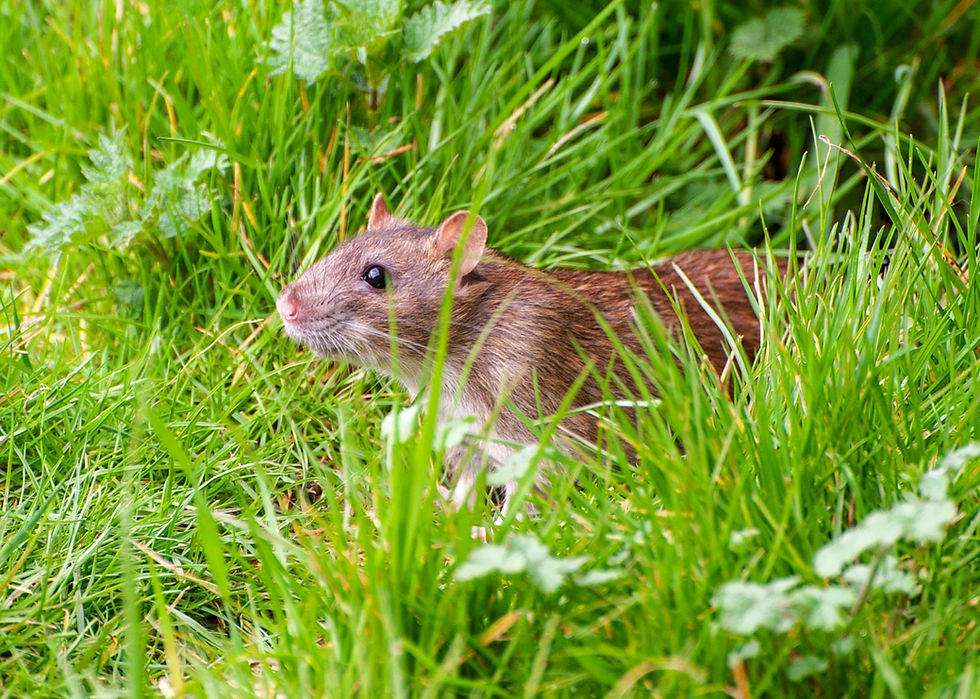
Most pest species are regulated by temperature. When it gets cold enough, insects become dormant, reptiles slow down significantly, and rodents reduce their activity. That natural seasonal reset does not happen in Coolidge the way it does in most other regions. Arizona winters are mild enough that bark scorpions (Centruroides sculpturatus) remain active indoors throughout the cooler months. Roof rats (Rattus rattus) breed year-round in Pinal County's climate. Rock pigeon colonies grow continuously without a hard winter to disrupt them.
The result is cumulative pest pressure. Species that build toward a cold-weather decline elsewhere just keep building here. That is one reason Coolidge homeowners who rely on seasonal treatment cycles often find themselves dealing with a larger problem each year rather than a smaller one.
Spring: Bees, Snakes, and Gophers Wake Up First
As temperatures rise through March and into May, several species that slowed during winter begin moving again in force. Bee and wasp colonies, including Africanized honey bee swarms, are among the first and most visible. Swarm season in Arizona can begin as early as February, with new colonies actively searching for nesting sites in wall voids, under eaves, in irrigation boxes, and in other enclosed spaces around residential properties.
Snakes emerge from winter dormancy as ground temperatures climb. Western diamondback rattlesnake encounters near garages, patios, and yards increase through spring and into early summer. Pocket gophers pick up activity as the soil warms, and damage to lawns, irrigation lines, and garden areas from gopher tunneling typically becomes visible in the spring months.
Spring is the right time to inspect entry points and address perimeter conditions before multiple pest species hit their peak activity at once. Bee and wasp removal, snake exclusion, and gopher control are all worth addressing before late spring arrives.
Summer and Monsoon Season: The Highest-Risk Period for Coolidge Homes
Arizona's monsoon season, running from roughly June through September, is the most significant weather driver of pest activity in Coolidge. The combination of intense heat, sudden heavy rainfall, and elevated humidity disrupts every pest species that was already active and pushes many of them directly toward residential structures.
Heavy rains saturate the soil. Scorpions, ants, and roaches that were living in the ground or under exterior debris get displaced and move toward higher, drier shelter. For many Coolidge homes, that means the interior. Bark scorpion sightings inside homes spike reliably during and after monsoon rain events, particularly in homes with unsealed foundation gaps, weep holes, or utility penetrations.
Roof rats also move indoors more aggressively during summer. Arizona's extreme heat drives them toward cooler spaces, and a home's insulated attic and air-conditioned interior offers exactly that. Rodents that had been managing in outdoor burrows begin looking for wall and ceiling access during the hottest stretch of the year. Rodent control and scorpion exclusion are the two services our team addresses most frequently during and immediately after monsoon season.
Fall: Rodents and Bats Shift Toward Interior Shelter
As temperatures begin dropping in October and November, pest behavior shifts again. Rodents that were active outdoors through the warmer months start looking for warmer interior spaces. Roof rats tend to move into attics and wall voids as nighttime temperatures cool. Homeowners who had no awareness of rodent activity through summer often begin hearing movement in the ceiling during fall evenings, which typically means the population has relocated indoors rather than recently arrived.
Bats follow a similar pattern. As outdoor insect populations thin and nights cool, bats that roosted in external structures may move into attic spaces for warmer shelter. Bat exclusion during fall requires a specific approach: one-way exclusion devices are installed to allow bats to exit but not re-enter, with permanent sealing completed after the colony has vacated. Scorpion activity outdoors slows during fall, but scorpions that have already entered the home remain active in the warm interior throughout the season.
Winter: The Activity That Does Not Fully Stop
Coolidge winters are cool enough to slow outdoor pest activity but not cold enough to stop it entirely. Bark scorpions remain active in the warm interior of homes throughout the winter months, which is why some homeowners continue finding them inside even when outdoor sightings decrease. Roof rats that moved indoors during fall continue nesting and reproducing in wall voids and attics through winter without interruption. Pigeon colonies maintain their numbers and continue causing rooftop and solar panel damage without a seasonal break.
Winter is also one of the best times to complete structural exclusion work. Pest pressure on the exterior is at its lowest, making inspections more straightforward and entry-point sealing easier to complete thoroughly. Addressing roofline gaps, rodent entry points, and solar panel bird proofing during the quieter winter months means the home is properly protected before spring activity picks back up.
How to Stay Ahead of Seasonal Pest Pressure in Coolidge
The most practical approach for Coolidge homeowners is treating pest protection as a year-round structural commitment rather than a seasonal reaction. Exclusion work done at the right time creates conditions that make each subsequent season more manageable. Sealing the entry points that bark scorpions use before monsoon season is far less disruptive than finding them inside during August. Addressing roofline gaps before fall means roof rats do not spend the winter in your attic.
At Executive Pest Solutions, our team has spent over 25 years working with Arizona pest species through every season in this climate. We know when each species becomes most active, where they enter in Pinal County properties specifically, and what it takes to stop them. Our 5.0-star rating across more than 1,000 verified reviews reflects consistent results for Coolidge homeowners who were tired of reacting to the same problems every time the weather changed.
Related Topics:


Comments