.png)
Termite Prevention and Protection Strategies for Homes Throughout the Year in Coolidge, AZ
Updated: May 12
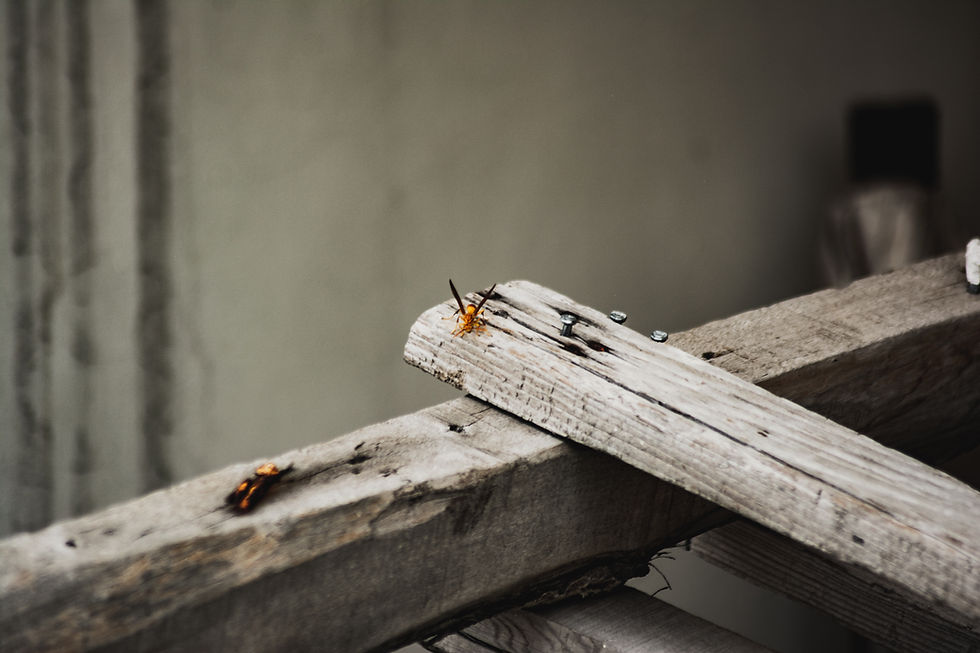
Termites cause more structural damage to homes in the United States each year than fires, floods, and windstorms combined, and in Arizona, the risk doesn't let up with the seasons. The desert climate that makes Pinal County a desirable place to live also makes it one of the most active termite environments in the country.
The good news is that most termite damage is preventable. Understanding how termites operate, what conditions attract them, and what you can do throughout the year puts you in a much stronger position before damage ever starts. Trusted pest control services in Coolidge, AZ, can help you build that plan and catch activity early. Get a Free Quote.
Why Termites Are a Year-Round Problem in Coolidge, AZ
Most homeowners think of termite activity as a warm-weather problem. In Coolidge and throughout Pinal County, that assumption creates a gap in protection during the months when termites are quietly working inside walls, foundations, and framing.
Arizona is home to multiple termite species, with subterranean termites and drywood termites being the most common in residential areas. Subterranean termites live in underground colonies and travel through mud tubes to reach wood above ground. Drywood termites nest directly inside wood and do not need soil contact. Both are active throughout the year in the Sonoran Desert, and both can establish inside a home without any visible signs for months.
Termite swarms, which are the most visible sign of an established colony, typically occur in spring and early summer in Arizona. Seeing swarmers inside or near your home means a colony is already mature. Prevention is most effective well before that point.
What Attracts Termites to Coolidge Homes
Termites need three things: wood, moisture, and access. Homes that provide all three close to the foundation create the conditions that bring termite activity onto the property and eventually into the structure.
Wood-to-soil contact is one of the most consistent attractants. Wood framing, posts, fencing, or stored lumber that touches or sits close to bare soil gives subterranean termites a direct path into the structure without crossing treated zones. Firewood stacked against the exterior wall, wooden landscaping borders touching the foundation, and wooden steps set directly on soil are all common examples.
Moisture is the second major factor. Subterranean termites require consistent moisture to survive and expand their colonies. Leaking irrigation lines, poor drainage against the foundation, condensation from AC units draining close to the structure, and clogged gutters that allow water to pool near the roofline all create the moisture conditions termites actively seek out.
Access points complete the picture. Cracks in the foundation, gaps around plumbing penetrations, and unsealed expansion joints give termites a route from the soil into the structure, even when treated barriers are present.
Termite Prevention Strategies for Every Season
Prevention is not a single task. It is a set of ongoing habits that reduce the conditions termites need to establish near your home.
Spring is when termite swarms are most visible in Arizona. This is the right time to inspect the exterior foundation for mud tubes, check wood near soil contact points, and clear any debris that has accumulated against the structure over winter. If swarmers are found inside the home, that is a signal for immediate professional evaluation.
Summer brings peak termite activity underground,d even if surface signs are not obvious. Keep irrigation systems maintained and directed away from the foundation. Inspect gutters and downspouts to confirm drainage is moving water away from the structure rather than pooling it. Check any wooden fencing, pergola posts, or exterior wood features that make soil contact.
Fall is a good time to move firewood storage away from the exterior walls and off direct soil contact. Stack wood on a raised rack at least 20 feet from the structure. Clear dead vegetation and plant debris from around the foundation perimeter. Trim back any shrubs or trees whose roots or branches are touching the structure.
Winter is when termite activity slows at the surface but continues underground in warmer soil. Use this period to seal visible cracks in the foundation with appropriate filler, check expansion joints, and inspect any areas where plumbing enters the structure for gaps that could serve as entry points.
Signs of Termite Activity Coolidge Homeowners Should Know
Catching termite activity early reduces the scope of damage significantly. These are the signs most commonly missed until an infestation is well established.
Mud tubes on the exterior foundation or on interior walls near the floor are the clearest sign of subterranean termite activity. These pencil-width tunnels are constructed from soil, wood particles, and termite saliva and serve as protected travel routes between the colony and the food source.
Hollow-sounding wood when tapped along baseboards, door frames, or flooring indicates that the interior has been consumed while the surface remains intact. Termites eat wood from the inside out, which is why visual inspection alone often misses active damage.
Blistered or bubbled paint on walls or wood surfaces can indicate termites feeding just beneath the surface or moisture damage created by their activity. Tight-fitting doors and windows that suddenly become difficult to open or close can also signal structural changes from termite damage in the surrounding framing.
Discarded wings near windowsills, doorways, or light sources after a swarm event confirm that reproductive termites have been active in or near the structure. Swarmers shed their wings immediately after landing. Finding piles of small wings indoors is a reliable indicator that a swarm occurred inside the home.
What a Pest Inspection Covers for Termite Awareness
A professional property inspection looks at the full picture of pest access and conditions on a property, including the structural areas and exterior conditions that make termite establishment more likely.
Our technician examines the foundation perimeter, checks for wood-to-soil contact, assesses drainage conditions, and looks for evidence of pest activity, including mud tubes and damaged wood. For Coolidge homeowners who want a clear picture of how their property's current conditions relate to termite risk, a full inspection provides that baseline.
The same inspection that identifies scorpion entry points, rodent access routes, and general pest conditions also gives you an accurate read on the structural and environmental factors that influence termite exposure. It is the most practical first step for any homeowner who has not had a recent professional evaluation. Call (480) 490-7991 to schedule yours.
How General Pest Control Connects to Termite Prevention
Termites follow conditions, and many of those conditions overlap with what draws other pests to a property. Moisture issues that attract termites also attract rodents, bark scorpions, and general insects. Wood debris and organic material that create harborage for scorpions create the same conditions that termites need to establish close to a structure.
Addressing the broader pest environment around your home through a consistent inspect, treat, and seal approach reduces the overall conditions that allow any pest, including termites, to get a foothold. Properties that are more structurally tight and less hospitable environmentally are harder for all pests to access and establish in.
Keeping the foundation clear, drainage directed away from the structure, and entry points sealed is sound practice for the full range of desert pests Pinal County homeowners face.
Why Coolidge Homeowners Trust Our Team
We have been serving Coolidge and Pinal County since 2012. Our team brings more than 25 years of combined hands-on experience working with the specific pests and property conditions that Arizona's desert environment produces. That experience covers the structural and environmental factors that make some properties more vulnerable than others.
We hold a 5.0-star rating across more than 1,000 verified Google reviews and back every service we perform with a pest-free guarantee. Every job starts with a thorough inspection, and every quote is free with no obligation.
"Nico and his team have done several pest control jobs for my clients over the last few years. Ranging from scorpions, pigeon control, rodents, bees, and overall pest control. He is honest and takes pride in his work. Those types of people are hard to find today." - Angel E.
If you have not had a professional property inspection recently, that is the right place to start. Request a Free Quote
Frequently Asked Questions
Are termites common in Coolidge, AZ? Yes. Arizona is one of the most active termite states in the country. Both subterranean and drywood termite species are present in Pinal County and are active throughout the year due to the desert climate.
When do termites swarm in Arizona? Termite swarms in Arizona most commonly occur in spring and early summer, often following rain events. Finding swarmers inside the home indicates an established colony nearby and warrants a professional inspection.
What is the difference between subterranean and drywood termites? Subterranean termites live in underground colonies and travel through mud tubes to reach wood above ground. Drywood termites nest directly inside wood and do not require soil contact. Both are present in the Coolidge area and require different management approaches.
How do I know if I have termites or just wood damage from moisture? The clearest indicators of termites specifically are mud tubes on the foundation or walls, discarded wings near entry points after a swarm, and hollow-sounding wood when tapped. A professional inspection is the most reliable way to distinguish termite damage from other causes.
What should I do if I find termite swarmers inside my home? Do not disturb them. Note where they were found and schedule a professional inspection as soon as possible. Swarmers inside the home indicate a mature colony is active in or near the structure.
What does a pest inspection include? Our technician visits the property, identifies pest activity, locates entry points and conditions contributing to pest pressure, and recommends a plan based on what is found. Most inspections are completed in a single visit. Call (480) 490-7991 or request a free quote online.
How do I get a quote? Call (480) 490-7991 during business hours (Monday through Friday, 8 AM to 5 PM, text (480) 605-2415 for after-hours inquiries, or request a free quote online.
Contact Us
Have questions or need assistance? We're here to help!
Call Us: (480) 490-7991
Email Us: expestcontrol@outlook.com
Visit Us: 1302 West Industrial Drive #6, Coolidge, AZ 85128
Our Hours
Monday to Friday: 8 AM – 5 PM
Saturday & Sunday: Closed
Need a free quote? Request one now and get started today!
Related Topics:


Comments