.png)
5 Steps How to Keep Rodents Out and Protect Your Home (Easy Guide for Queen Creek Homeowners)
Finding signs of rodents in your Queen Creek home can feel unsettling. The scratching sounds in walls at night. The droppings in the garage. That gnawed corner of a cereal box in the pantry.
Don't worry, you're not alone. Rodent problems are incredibly common in Arizona, especially as temperatures shift and these critters look for food, water, and shelter. The good news? With the right approach, you can protect your home and keep rodents out for good.
Let's walk through five simple steps to rodent-proof your Queen Creek home. Whether you're dealing with an active issue or just want to prevent one, this guide has you covered.
Why Rodents Love Queen Creek Homes
Before we dive into solutions, it helps to understand why rodents target homes in the first place.
Queen Creek offers the perfect environment for rats and mice. Our warm climate, agricultural surroundings, and newer housing developments create ideal conditions. Rodents are opportunistic. They need three things to thrive: food, water, and shelter. Your home provides all three.
Here's the kicker, rodents can squeeze through openings as small as a quarter-inch. That's about the width of a pencil. So even small gaps around your home can become entry points.
Now let's talk about what you can do about it.
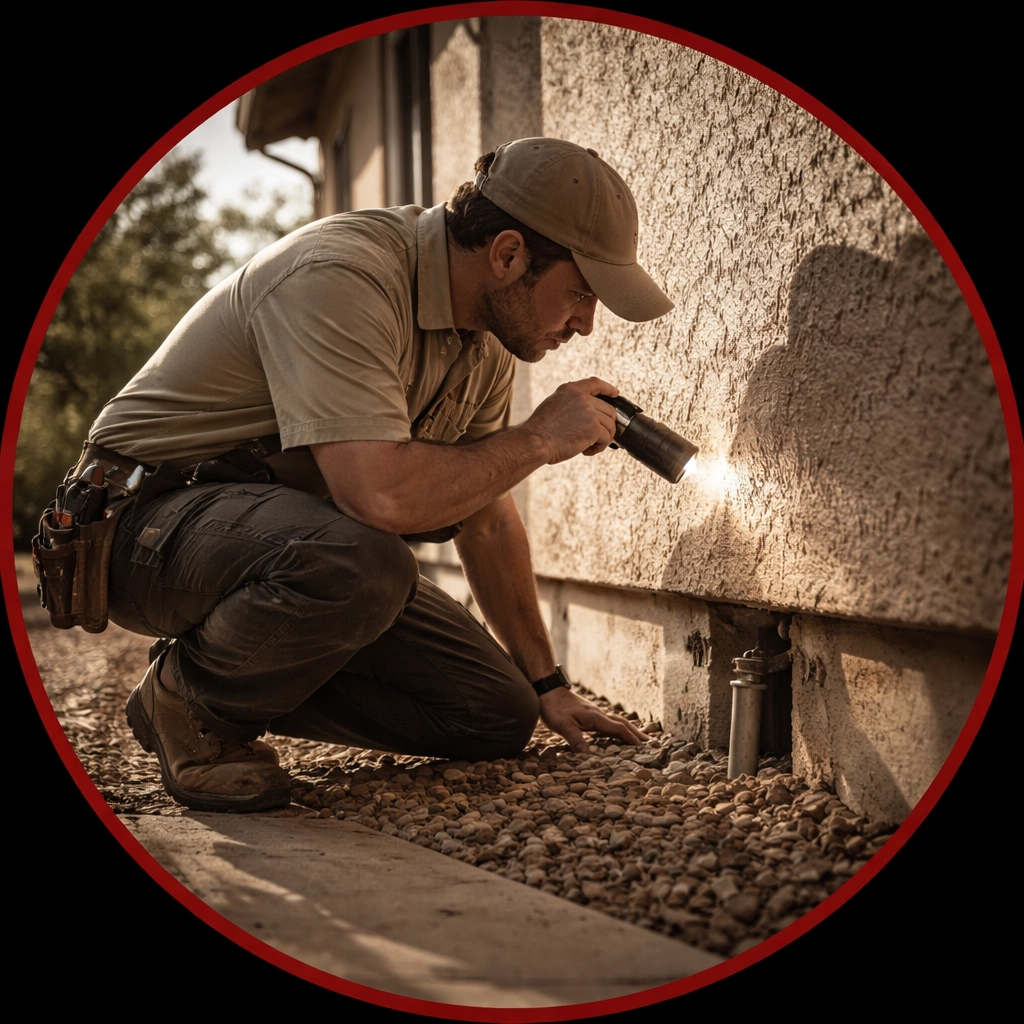
Step 1: Seal All Entry Points Around Your Home
This is the most important step. If rodents can't get in, they can't cause problems.
Start by inspecting the exterior of your home. Look for gaps, cracks, and holes around:
Foundation edges
Exterior walls
Pipe and wire entry points
Roof vents and eaves
Garage door seals
Utility boxes
Pay close attention to areas where different building materials meet. These transition points often have small gaps that rodents exploit.
Use caulk, steel wool, or hardware cloth to seal openings. For larger gaps, expanding foam combined with mesh works well. The key is using materials rodents can't chew through.
This process is called rodent exclusion: and it's far more effective than trapping alone. Exclusion addresses the root cause. It stops the problem at the source.
At Executive Pest Solutions, we specialize in exclusion techniques that keep rodents out permanently. With over 25 years of experience serving Queen Creek and surrounding areas, we know exactly where to look and how to seal your home properly.
Step 2: Eliminate Food Sources Inside and Outside
Rodents aren't picky eaters. They'll munch on pet food, bird seed, fallen fruit, garbage, and pantry items. Removing easy food sources makes your home far less attractive.
Here's how to cut off their food supply:
Store food properly. Use airtight containers for pantry items like cereal, rice, and flour.
Secure trash cans. Make sure lids fit tightly, both indoors and outdoors.
Clean up regularly. Wipe down counters, sweep floors, and don't leave dishes in the sink overnight.
Manage pet food. Don't leave bowls out all day. Store bags in sealed containers.
Handle outdoor sources. Pick up fallen fruit from trees. Keep bird feeders away from the house.
These simple habits make a big difference. When rodents can't find easy meals, they move on.

Step 3: Remove Water Sources
Just like any living creature, rodents need water to survive. Eliminating access to water makes your property less appealing.
Walk around your home and check for:
Leaky outdoor faucets or hoses
Dripping pipes under sinks
Standing water in plant saucers
Pet water bowls left outside
Condensation from AC units
Fix leaks promptly. Empty standing water. These small changes reduce the resources rodents depend on.
In Arizona's dry climate, water is especially valuable to pests. A single dripping faucet can sustain an entire rodent family. Don't give them that opportunity.
Step 4: Clear Away Hiding Spots and Harborage Areas
Rodents are prey animals. They feel safest in cluttered, hidden spaces where predators can't reach them. By cleaning up potential hiding spots, you make your property uncomfortable for them.
Outside your home:
Trim trees and shrubs away from the house
Remove piles of wood, debris, or old equipment
Keep grass cut short
Store firewood at least 20 feet from your home
Clear out dense ground cover near the foundation
Inside your home:
Reduce clutter in garages, attics, and storage areas
Get rid of cardboard boxes (rodents love nesting in them)
Organize storage areas so you can spot signs of activity
Keep items off the floor when possible
A clean, organized space is easier to monitor. You'll notice droppings, gnaw marks, or nesting materials faster: giving you time to act before a small problem becomes a big one.

Step 5: Maintain Ongoing Vigilance and Prevention
Rodent control isn't a one-time fix. It requires consistent effort and attention.
Make it a habit to:
Inspect your home's exterior every few months
Check attics, crawl spaces, and garages for signs of activity
Monitor areas where you've previously sealed gaps
Stay on top of landscaping and outdoor cleanup
Queen Creek's seasonal changes affect rodent behavior. During cooler months, rodents push harder to get inside. During monsoon season, flooding can drive them toward higher ground: like your home.
This is where professional help makes sense. A preventative maintenance program keeps your home protected year-round. Our team at Executive Pest Solutions offers ongoing pest control in Queen Creek that adapts to seasonal pressures and catches problems early.
We're a locally owned and operated Arizona pest control company. We understand the unique challenges Queen Creek homeowners face. And we back our work with a pest-free guarantee.
Signs You Already Have a Rodent Problem
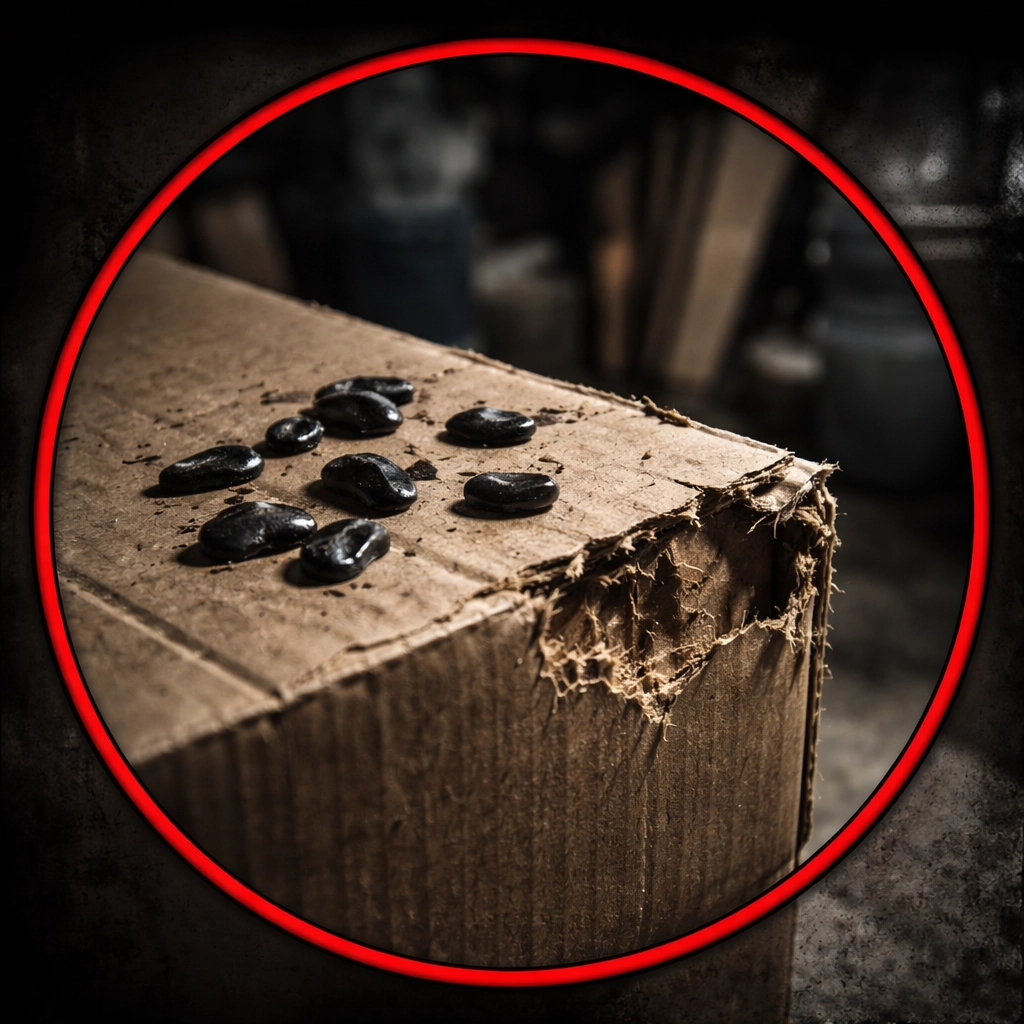
Wondering if rodents have already moved in? Watch for these warning signs:
Droppings in cabinets, drawers, or along walls
Gnaw marks on food packaging, wires, or wood
Scratching or scurrying sounds, especially at night
Nests made from shredded paper, fabric, or insulation
Greasy rub marks along baseboards or walls
A musty or ammonia-like odor in enclosed spaces
If you notice any of these, don't wait. Rodent populations grow quickly. A small issue can become a full infestation in weeks.
Frequently Asked Questions
How do rodents get into my Queen Creek home?
Rodents enter through gaps as small as a quarter-inch. Common entry points include foundation cracks, gaps around pipes, roof vents, and garage door seals. A thorough inspection by a licensed pest control professional can identify vulnerabilities you might miss.
Are rodents dangerous to my family?
Rodents can contaminate food and surfaces. They may also cause property damage by chewing through wires, insulation, and building materials. Addressing a rodent issue quickly helps protect your home and belongings.
Can I handle rodent control myself?
Basic prevention steps like sealing gaps and removing food sources help. However, for active infestations or complete exclusion, professional help ensures the job is done right. Our team uses specialized techniques developed over 25 years in the industry.
How often should I have my home inspected for rodents?
We recommend at least two inspections per year: once before summer and once before winter. These are peak times when rodents seek shelter. Ongoing maintenance programs offer the best protection.
Protect Your Queen Creek Home Today
Rodent problems don't fix themselves. But with the right steps, you can take back control of your home.
Executive Pest Solutions has served Queen Creek, San Tan Valley, and surrounding Arizona communities for over 25 years. We're licensed, insured, and committed to keeping your home pest-free.
Ready to protect your home?Contact us today to schedule an inspection. Let our team handle the hard work( so you don't have to.)


Comments